Journal
Laser Tattoo Removal in Hyderabad: Sessions, Colours & What to Expect
Laser tattoo removal takes a series of sessions. Colour, ink depth, and skin tone all change the plan. Here is what to expect in Hyderabad clinics.
 Dr. S. Madhuri4 min read
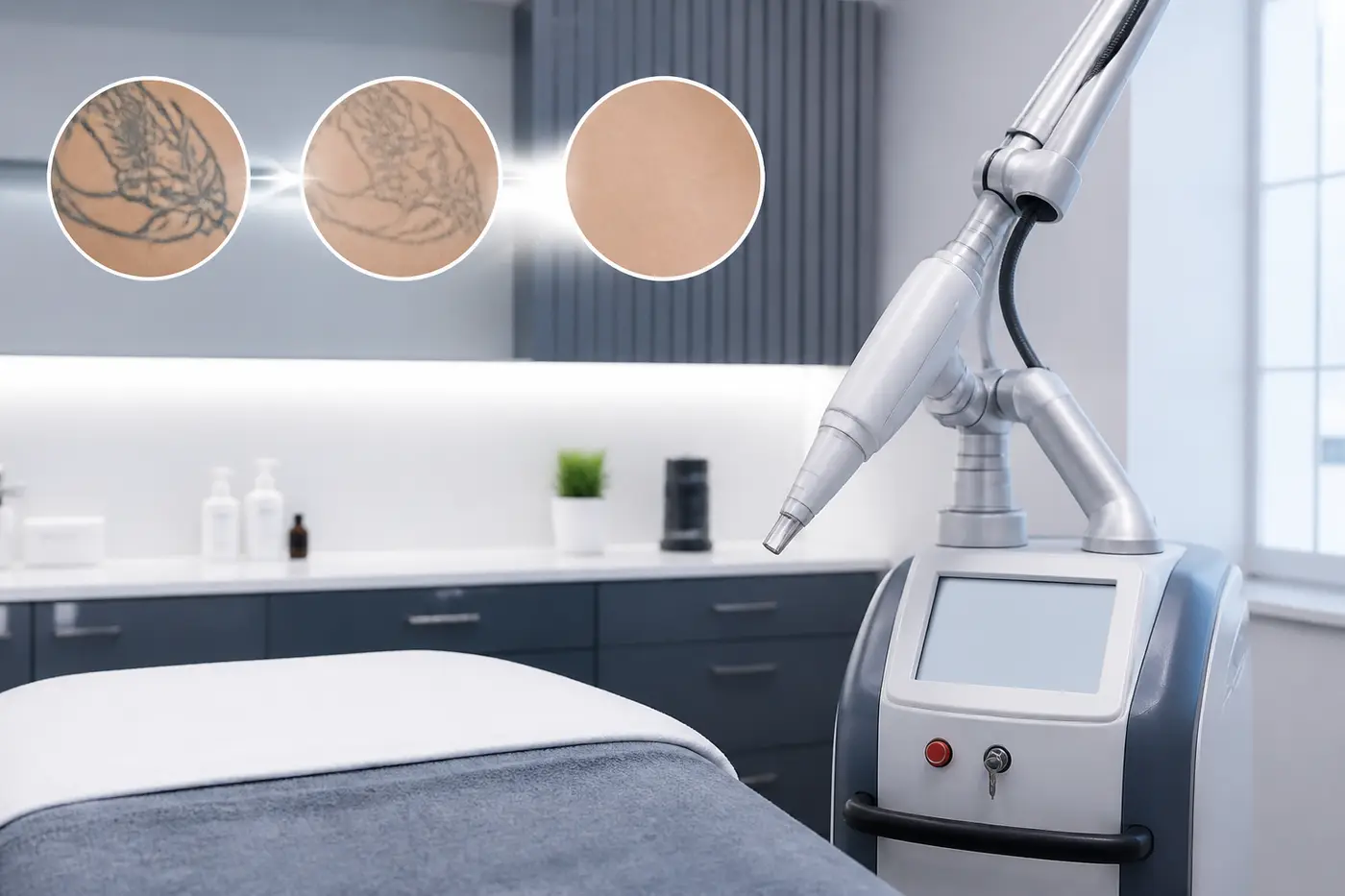
A tattoo that felt permanent can still be lightened or removed, but rarely in one sitting. Laser treatment breaks ink into smaller particles that the body clears over time. How many visits that takes depends on the ink, where it sits in the skin, and how your skin heals between sessions. Clinics that promise a blank canvas on a fixed date are skipping that biology.
This article is an overview of laser tattoo removal as discussed in dermatology practice. Your tattoo needs to be seen before anyone can talk about a session count.
What the laser is doing
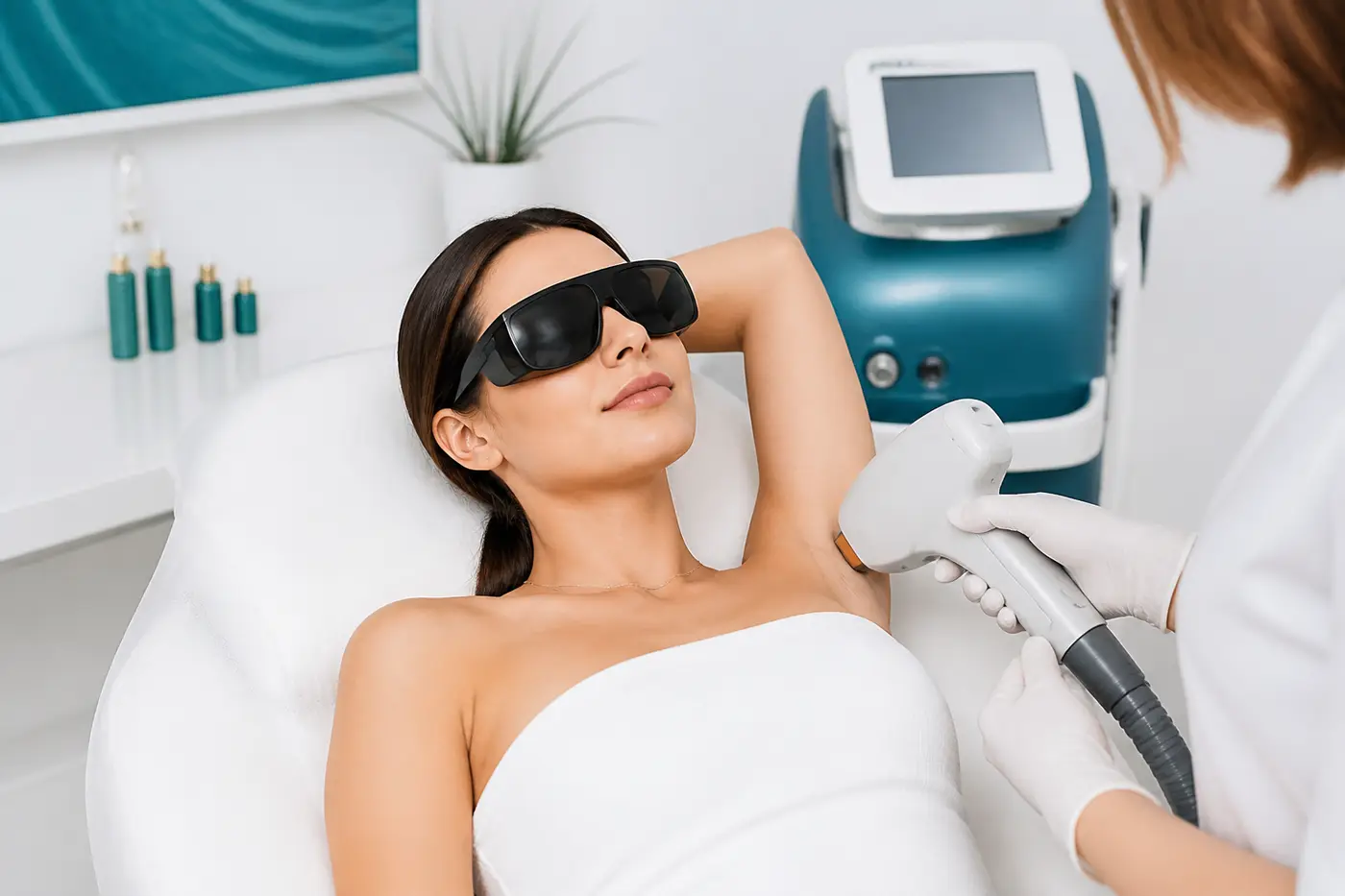
Tattoo ink is a collection of particles held in the deeper skin. A suitable laser delivers very short pulses that shatter those particles without trying to burn the whole tattoo away in one pass. Over the following weeks, immune cells carry some of the debris off. The next session treats what remains. That is why appointments are spaced, often several weeks apart, and why the tattoo looks only partly faded after the first visit.
Not every laser is appropriate for every colour or every skin tone. Black ink usually responds more readily because it absorbs a broad range of wavelengths. Green, teal, yellow, and some light blues are slower or less predictable. Cosmetic inks, including brow and lip pigments, and older amateur inks can behave differently from modern studio black. Mixed-colour pieces may fade unevenly: the black outline softens while a green fill lingers.
Professional tattoos often sit deeper and denser than a homemade mark, so they can need more sessions. Cover-up tattoos add a second layer of ink. White ink can sometimes darken or oxidise and needs a careful discussion before treatment.
What a session feels like and how skin reacts
Pulses are often compared to a repeated hot snap. Cooling and, when appropriate, a numbing approach can make the visit tolerable. Immediately afterwards the skin may look white and frosted for minutes, then red and swollen, a little like sunburn over the design. Blisters can form. They are a reaction to be cared for as instructed, not a sign to pick or to apply home pastes.
On brown skin, which is common among patients in Hyderabad, the surrounding melanin can also absorb energy. The risks to discuss openly are:
- Temporary or longer-lasting lighter patches
- Darker patches along the treated area
- Texture change or, less often, a scar if the skin is overtreated or infected
- Incomplete clearance, especially with stubborn colours
- Paradoxical darkening of some cosmetic pigments
A test area is sometimes used when the ink or the skin response is uncertain. Sun protection before and after treatment reduces the chance of pigment shift. Do not arrive with a fresh tan, and do not treat skin that is infected or broken.
The pace of treatment
Session numbers vary widely. A small, lightly inked black tattoo may fade faster than a dense, multicolour sleeve. Anyone who quotes a single number without looking at the tattoo is guessing. Factors that slow progress include smoking, ink placed very deeply, colours that absorb the wavelength poorly, and sessions booked too close together for the skin to recover.
Between visits, follow the aftercare you were given. Typical advice is to keep the area clean, avoid soaking it in a pool or the sea until the surface has settled, skip picking scabs, and stay out of strong sun on that site. Heavy workouts that soak a fresh blister under a sweaty shirt can be paused for a short period if the doctor asks.
Hyderabad heat makes dressings uncomfortable. Ask how to clean the area in humid weather so you are not trapped between an occlusive cream and a full day outdoors. If redness spreads, pain increases after the first days, or pus appears, contact the clinic. That pattern needs a review, not another internet ointment.
Planning around life events
Removal is a poor last-minute project before a wedding, photoshoot, or job interview if the tattoo will still be peeling. Fading is gradual. Plan the gap you actually have. If you only need the design less visible under clothing, the goal may be partial fading rather than total clearance, and that is a valid medical conversation.
Do not try to “pre-fade” a tattoo with acids, salabrasion, or scraping. Those methods scar more often than they help, and scarred skin is harder to laser later. Cover-up with new ink is an option some people prefer once they understand that removal may not reach bare skin.
Who should assess it
Dr. S. Madhuri, founder of AB Skin Clinic, consults in KPHB and Manikonda. She holds MBBS, MD DVL, DNB DVL, and a Fellowship in Dermatosurgery and Lasers. Tattoo removal sits with that procedural work: the ink, the skin type, and your medical history, including isotretinoin, keloid tendency, and immune conditions, all change the advice.
You can book an appointment to have the tattoo examined, or use the contact page if you need directions to either clinic before you travel across the city. If a brown mark is not tattoo ink at all, but a spot you were born with or that appeared later, read the mole removal guide and let a doctor decide what it is before anyone treats it.
This article is general education from AB Skin Clinic. It is not a diagnosis or a treatment plan. Suitability is decided in a consultation.
 Related treatmentTattoo Removal in HyderabadView treatment