Journal
How Social Media Influencers Are Changing Skincare Habits — What Dermatologists Think
Influencer routines spread fast, from skin cycling to DIY peels. A dermatologist’s view of which habits help, which harm, and how to choose safely.
 Dr. S. Madhuri4 min read
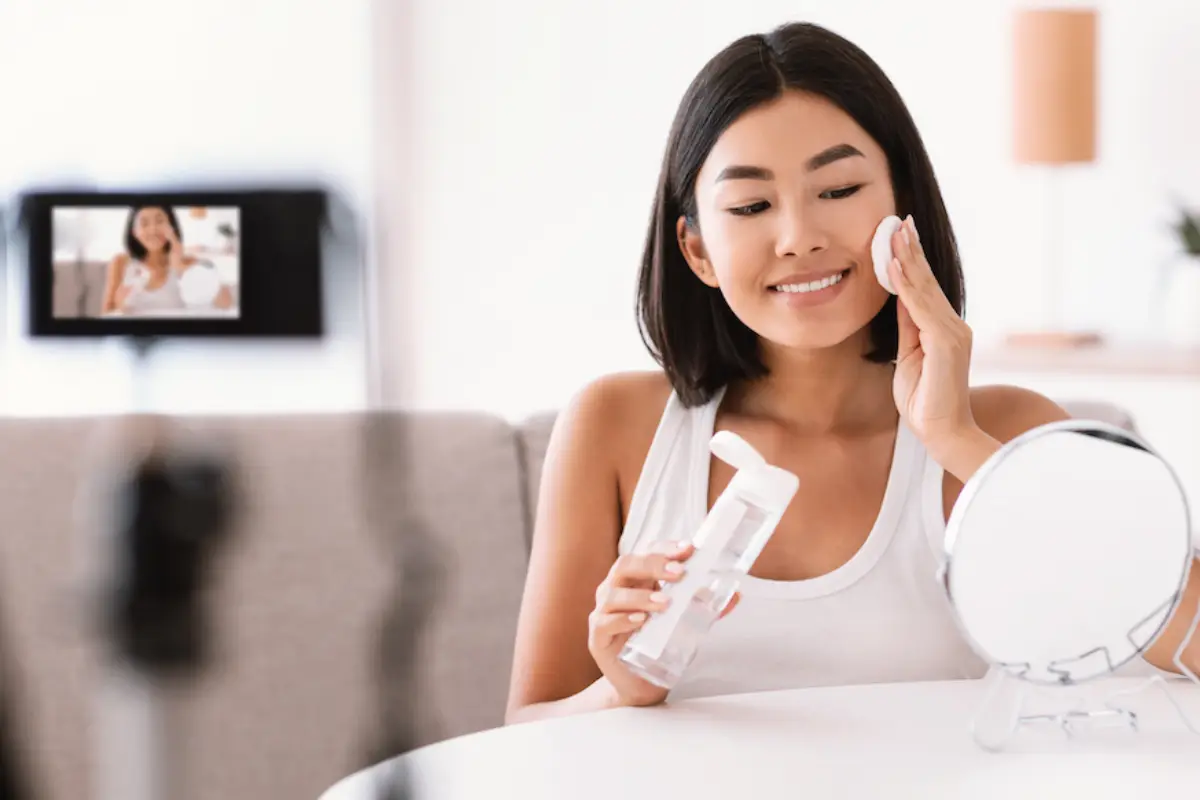
A thirty-second reel can change what half a city puts on its face. In Hyderabad clinics, dermatologists now spend part of many visits undoing a routine that started as entertainment: a glass-skin regimen, a home peel, a steroid cream praised for “instant fairness,” or five active serums used on night one. Some ideas online are close to standard advice. Many are incomplete, and a few are harmful.
This piece is about habits, not about calling out creators. Influence is real. So is the difference between a filmed morning and a medical plan.
What has genuinely shifted
People are more willing to use sunscreen, retinoids, and gentle cleansers than a decade ago. They know words like niacinamide and ceramide. They photograph pigment and acne early, which can mean earlier care. Those are useful changes.
The less useful shift is speed. A video compresses a six-month retinoid adjustment into one clip with no purge, no dryness, and no Indian summer. Viewers then buy the same shelf and feel they have failed when their skin burns. Algorithms also reward novelty, so a calm routine looks boring next to a new acid every week.
Skin tone is often missing. Advice filmed on very fair skin may use stronger peels or more aggressive lasers than is wise for medium and deep complexions, where irritation turns into dark marks quickly. A product can be popular and still be wrong for your barrier.
Trends dermatologists see every week
Skin cycling. Rotating exfoliation, retinoid, and recovery nights can be sensible if the strengths are modest and the skin is healthy. It becomes a problem when every “exfoliation night” includes a scrub plus a leave-on acid plus a peel pad. The name sounds organised. The dose may not be.
Slugging. Sealing a simple moisturiser with a plain occlusive can help very dry, damaged skin. On acne-prone faces, heavy occlusion over oils and actives can clog pores. It is a tool for specific dryness, not a universal gloss.
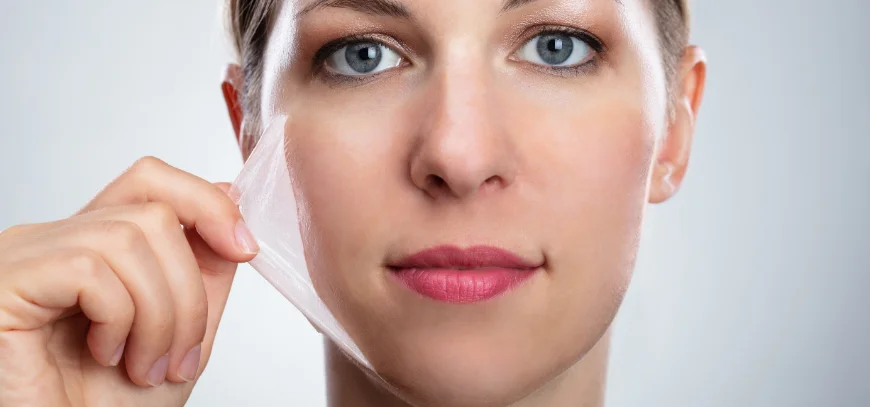
Actives stacked for glow. Vitamin C, glycolic acid, retinoid, and a strong exfoliating toner in one day is a common reason for perioral redness and cheek stinging. More ingredients are not a higher chance of results. Chemical peels in a clinic are spaced and chosen for a reason. Doing a cousin of that peel at home, then again from a different brand, skips that spacing.
DIY acids and kitchen remedies. Lemon, toothpaste, baking soda, and undiluted essential oils show up whenever pigmentation is trending. They cause irritant burns. The mark left behind is often darker than the patch you wanted to fade, especially after Hyderabad sun hits broken skin.
“Skin barrier repair” as a shopping list. The phrase is useful, and the shopping often is not. Repair is mostly stopping the irritants. Buying five barrier serums while continuing daily high-strength glycolic acid misses the point.
Prescription drugs as content. Isotretinoin, hydroquinone, and steroid-antifungal mixes are filmed as ordinary products. They are medicines with monitoring, pregnancy rules, or time limits. A reel cannot screen you for those.
Filters and procedures. Faces smoothed by a camera are compared with the mirror after one facial. That gap pushes people toward frequent facials, unregulated drips, and devices used too close together. Texture, pores, and melasma do not follow a content calendar.
How to watch without wrecking your skin
Use social media for questions, not for prescriptions. A useful test before you copy a routine:
- Can you name the one job of each product, or are you repeating the same acid?
- Did the creator mention irritation, pregnancy, or darker skin, or only the glow on day one?
- Are you treating a diagnosis you do not have, such as using antifungal tablets because a comment said “fungal acne”?
- Would you be willing to stop the new product if it stings, or have you already paid for a month?
Introduce one change at a time and wait. Sunscreen and a cleanser you tolerate will outperform a viral stack you cannot use. If a rash, swelling, or eye irritation appears, stop the new product and get advice rather than neutralising it with another trending oil.
Be careful with before-and-after lighting. Flash, angles, and makeup change brown patches more than most creams do in a week. Honest progress in pigment and scars is slower than a trend cycle.
What a dermatologist adds
A doctor can say “this part of the reel is fine, this part is why you are peeling.” They can also spot rosacea, eczema, or a steroid-damaged face that will not improve with another serum. Procedures, when needed, are dosed. Home experiments are not.
Dr. S. Madhuri, founder of AB Skin Clinic in KPHB and Manikonda, is a dermatologist with qualifications listed as MBBS, MD DVL, DNB DVL, and a Fellowship in Dermatosurgery and Lasers. Patients often arrive with a screenshot. That screenshot is welcome if it helps explain what you used. It is not a plan.
If your skin is stinging, stained by a new cream, or you are unsure which viral step to keep, book an appointment or check the doctor page before you add the next product. The most modern routine is the one you can still use in June, not the one that looked complete for nine seconds.
This article is general education from AB Skin Clinic. It is not a diagnosis or a treatment plan. Suitability is decided in a consultation.
 Related treatmentChemical PeelsView treatment