Journal
Laser Hair Reduction in Hyderabad: Best Time, Sessions & Realistic Results
Laser hair reduction can thin regrowth over several sessions. Learn timing, gaps, and realistic results for Hyderabad sun, skin tone, and hair type.
 Dr. S. Madhuri4 min read
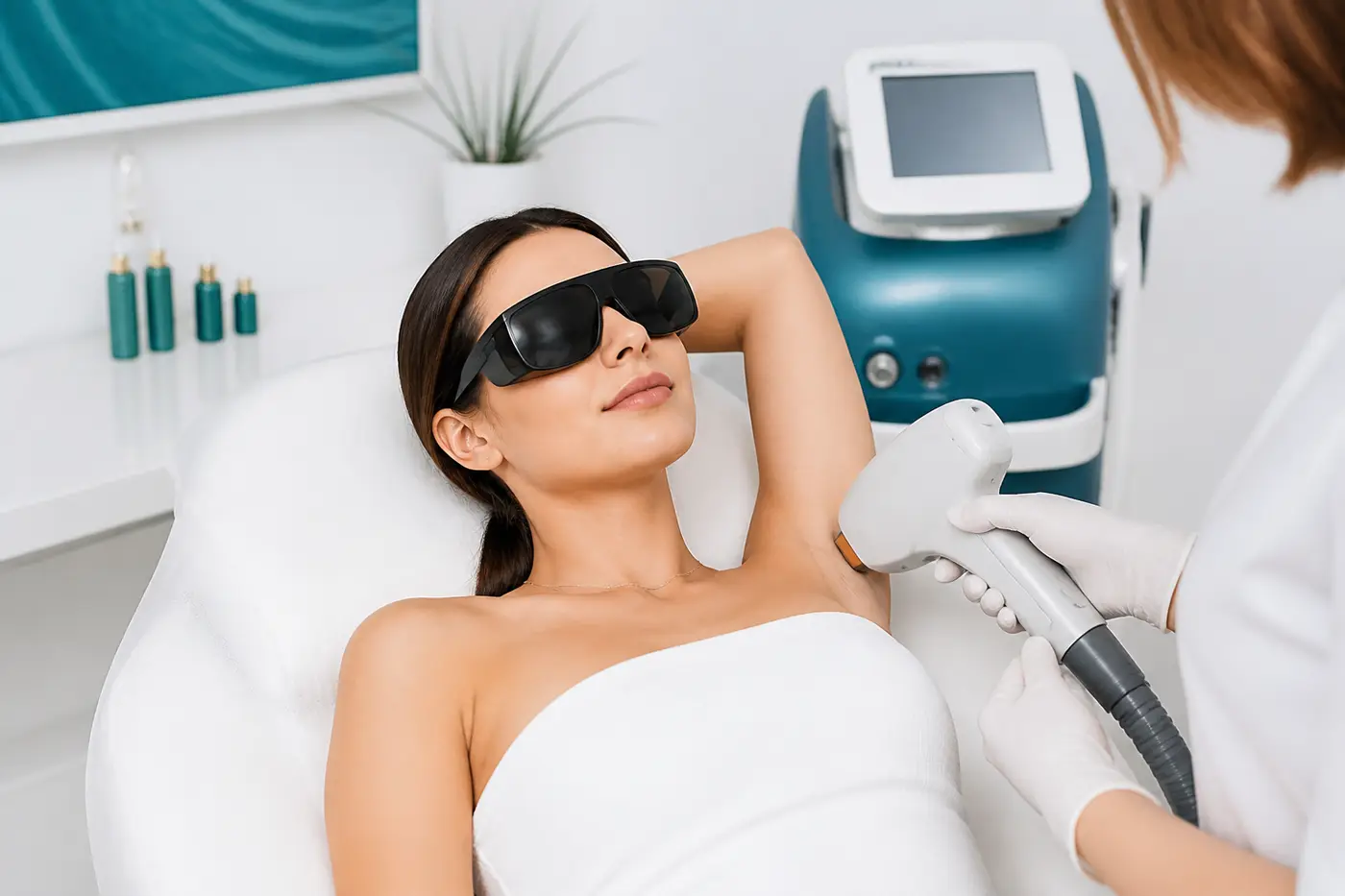
Laser hair reduction is one of the most requested procedures in Hyderabad, from the upper lip and chin to underarms, bikini lines, and the back. It can make hair finer and slower to return. It is not a one-visit promise that every follicle is gone forever, and the result depends on hair colour, hormones, sun exposure, and how the course is spaced.
This guide covers timing and expectations in local conditions. Settings and suitability are decided in person.
How the treatment works
The laser targets melanin, the pigment in the hair shaft, and heats the follicle. Hair that is in an active growth phase responds better than hair that is resting. Because follicles cycle at different times, a single session treats only a portion of the hair. That is why a course is a series, not a “full clear” in one afternoon.
Coarse, darker hair usually responds better than fine, light, or grey hair. The face can be slower than the underarms because facial hair is more hormone-sensitive. Paradoxical thicker growth is uncommon but discussed, especially with fine facial hair and certain devices, so a test approach and an honest consult matter.
Skin tone matters as much as hair colour. Many people in Hyderabad have medium to deep complexions. Longer-wavelength devices, such as Nd:YAG platforms, are often chosen because they can target the follicle with relatively less competition from epidermal pigment. Diode lasers are also widely used. The right choice is the machine and the settings that fit your tone, recent tan, and body area. A clinic should not copy a protocol from a lighter skin type.
You can read how AB Skin Clinic describes its laser hair reduction service, then confirm the device plan at your visit.
Best time to start, and when to wait
There is no magic month, but there are bad weeks. Recently tanned skin, whether from a beach, a rooftop, or daily scooter rides without protection, raises the chance of burns and dark marks. If you are deeply tanned, waiting until the tan fades is safer than turning the energy up.
Summer is still a common time to start underarms or bikini hair because of sweat and comfort, as long as the treated skin itself is not tanned and you can avoid sun on that area afterwards. The face and arms are harder to shield. Plan facial sessions when you can limit midday sun for the healing window your doctor describes.
Wait if you have:
- A sunburn or an active tan in the spot
- An infection, cold sores in the area, or a fresh wound
- A tendency to keloid scars, unless a dermatologist has cleared you
- Pregnancy — most clinics defer elective laser until afterwards
- Photosensitising medicines or recent isotretinoin, which need a specific gap your doctor sets
- Waxing or plucking in the weeks before treatment, because the root has been pulled out and the laser has less target
Shaving is usually allowed and often required beforehand. Threading and waxing are the methods to pause so follicles stay available.
Sessions, spacing, and what “done” looks like
Body areas are often treated about every four to eight weeks, and the face sometimes on a slightly different rhythm, because hair cycles differ. The exact gap is set at the clinic. Squeezing sessions closer does not speed the cycle. Stretching them many months apart lets new hairs return and makes the course feel endless.
Most people need multiple sessions for a meaningful reduction. Coarse underarm or leg hair often thins more predictably than chin hair driven by hormones. Polycystic ovary syndrome, thyroid disease, and some medicines can mean maintenance sessions later. Laser does not replace an evaluation when periods are irregular or facial hair is suddenly heavy. It also will not treat a pigmented patch; that is a different diagnosis.
After a session, redness and swelling around follicles can last hours to a couple of days. Hairs may look like they are “growing” as treated shafts shed. That shedding is expected. Avoid hot workouts, swimming in unclean water, perfumed deodorants, and sun on the area for the interval you are given. Do not pick crusts. Sunscreen on exposed treated skin is part of scar and pigment prevention.
Choosing a medical setting
Hair reduction sits next to the eye, the neck, and the groin. Burns, blisters, and lasting pigment change are uncommon in careful hands and more likely with tanned skin, high fluence, or untrained operators. A dermatologist-led clinic should examine the skin, photograph if useful, explain possible side effects, and refuse treatment on an unsuitable day.
Dr. S. Madhuri leads AB Skin Clinic in KPHB and Manikonda. Her listed qualifications are MBBS, MD DVL, DNB DVL, and a Fellowship in Dermatosurgery and Lasers. Ask which device is planned for your tone and what the aftercare is before you pay for a long package you may not finish.
A practical way to begin
To plan a course around travel or a wedding, book an appointment early enough for several sittings, or use contact to check location and timings. Bring a list of medicines and say honestly how much sun the area gets. Realistic reduction, maintained over time, is the outcome to aim for — not a guarantee that you will never see a hair again.
This article is general education from AB Skin Clinic. It is not a diagnosis or a treatment plan. Suitability is decided in a consultation.
 Related treatmentLaser Hair ReductionView treatment