Journal
Dark Circles Treatment in Hyderabad: Causes, Myths & What Dermatologists Recommend
Dark circles have several causes, from pigment and visible vessels to shadow and allergy. Learn the myths and what a dermatologist may actually discuss.
 Dr. S. Madhuri4 min read
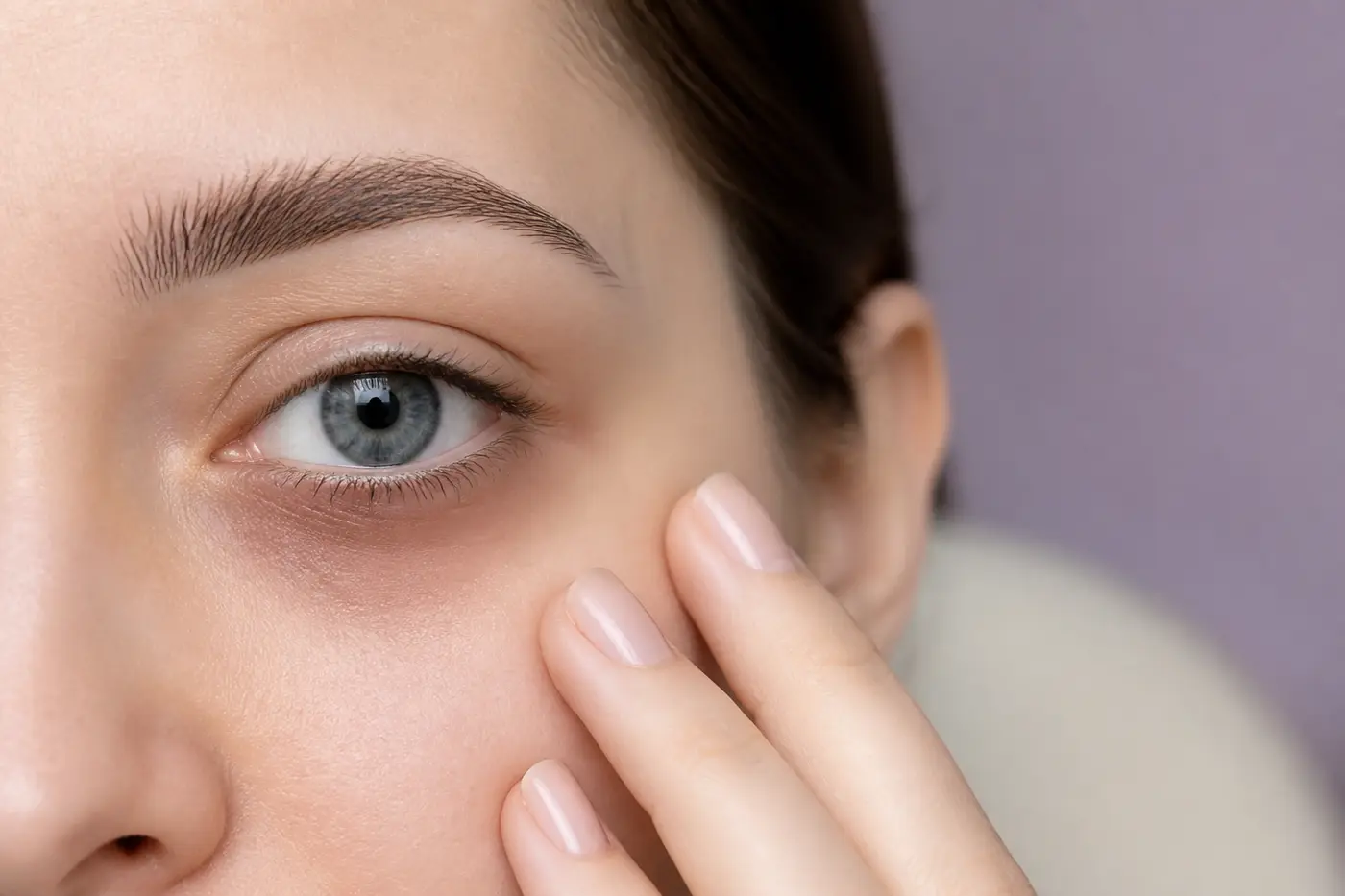
Dark circles are one of the first things people notice in photographs, and one of the easiest concerns to oversimplify. Cucumber slices, a week of early nights, and a lightening cream are the usual advice. Some under-eye darkness does improve with sleep and less rubbing. Much of it does not, because the cause is pigment, visible vessels, a hollow that casts a shadow, or allergy — sometimes more than one at once.
AB Skin Clinic does not present dark circles as a standalone package. A dermatologist may discuss pigment, vessels, shadowing, or allergy and then suggest care that fits. Structural or injectable options, when appropriate, sit with broader anti-aging treatment planning rather than a separate “circle removal” menu.
Separate the causes before you treat
Pigment. Brown colour in the lower eyelid skin is common in Indian skin tones and can run in families. Rubbing, eczema, and sun deepen it. The skin here is thin, so creams that are casual on the cheek can irritate the eye area and leave more colour, not less.
Vessels. A bluish or purple tint can be blood in vessels showing through thin skin. It often looks worse in some lighting and when you are tired or unwell. A bleach cream does little for a colour that is not melanin.
Shadow. A groove between the lower lid and the cheek, sometimes called a tear trough, casts a shadow that reads as a dark circle even when the skin pigment is even. Filling a photograph with concealer hides it. Changing the shadow, if that is ever considered, is an anatomical decision, not a serum decision.
Allergy and irritation. Itchy, creased, slightly swollen lids — “allergic shiners” in everyday speech — follow nose allergies, eye allergy, and habits like rubbing. Dust and seasonal pollen in Hyderabad, plus screen time that makes eyes tired and itchy, keep the cycle going. Treat the itch and the colour often softens. Ignore the itch and every pigment cream fails.
Myths that waste months
Sleep is not irrelevant, and it is not the whole story. People with eight hours of sleep still have constitutional pigment or a hollow. People who sleep poorly can look worse because of fluid and pallor, then blame only the clock.
Home lightening hacks are a particular problem around eyes. Lemon, toothpaste, and undiluted vitamin C or acid serums migrate into the eye, sting, and inflame the lid. Inflammation on this skin deposits more brown pigment. Steroid creams borrowed for “instant brightness” thin already thin skin and can raise eye pressure with prolonged misuse. They are not a cosmetic.
Makeup can hide colour while slower care works. Ultraviolet light still reaches the lid outdoors in Hyderabad, including on two-wheelers, so sun protection still matters.
Lasers and peels copied from cheek protocols are not automatically safe a few millimetres from the eye. Any procedure near the lid needs eye protection and a doctor who treats that area. “Under-eye laser” as a generic offer should come with a named cause it is meant to improve.
What dermatologists often recommend
The first step is to name the dominant colour in daylight. Brown points toward pigment care and a stop to rubbing. Blue-purple points toward vessels and realistic expectations. A shadow that vanishes when the skin is gently flattened points toward contour, which may simply be explained, or, in selected adults, discussed alongside other facial balancing.
Daily care that supports most plans:
- A bland eye moisturiser if the skin is crepey or itchy
- Sunscreen on the orbital bone area in a formula that does not burn the eyes, plus sunglasses
- Treatment of nasal or eye allergy if you are rubbing
- A pause on strong acids and fragrances that sting
Prescription pigment creams may be used in tiny amounts if the doctor judges them safe so close to the eye. They work slowly and only on melanin. They will not lift a hollow.
If shadowing is the main issue, a dermatologist may discuss whether you are a candidate for approaches used in anti-aging care, such as careful hyaluronic acid filler in suitable anatomy, or whether filler is a poor idea because of puffiness, allergies, or skin quality. That is a consultation decision. It is not something this article can assign to you, and it is not sold here as a dark-circle package.
When to get checked
Book a visit if darkness is new and one-sided, if the lid is swollen, painful, or changing quickly, or if home products have caused a rash. Long-standing family pigmentation can still be reviewed if it bothers you, with honest talk about how much improvement is likely.
Dr. S. Madhuri, dermatologist and founder of AB Skin Clinic in KPHB and Manikonda, has qualifications listed as MBBS, MD DVL, DNB DVL, and a Fellowship in Dermatosurgery and Lasers. An under-eye consult with her is a skin and structure assessment. You can book an appointment or read her background on the doctor page.
Bring notes on allergies, sleep, and every cream that has already touched the lid. The most useful recommendation is the one that matches the cause you actually have, including the possibility that the kindest plan is protection, allergy care, and no procedure at all.
This article is general education from AB Skin Clinic. It is not a diagnosis or a treatment plan. Suitability is decided in a consultation.
 Related treatmentAnti-Aging TreatmentView treatment