Journal
Acne Scar Treatment in Hyderabad: Types of Scars & What Actually Helps
Acne scars are not all the same. Learn how ice-pick, boxcar, and rolling scars differ from dark marks, and which treatments dermatologists match to each.
 Dr. S. Madhuri5 min read
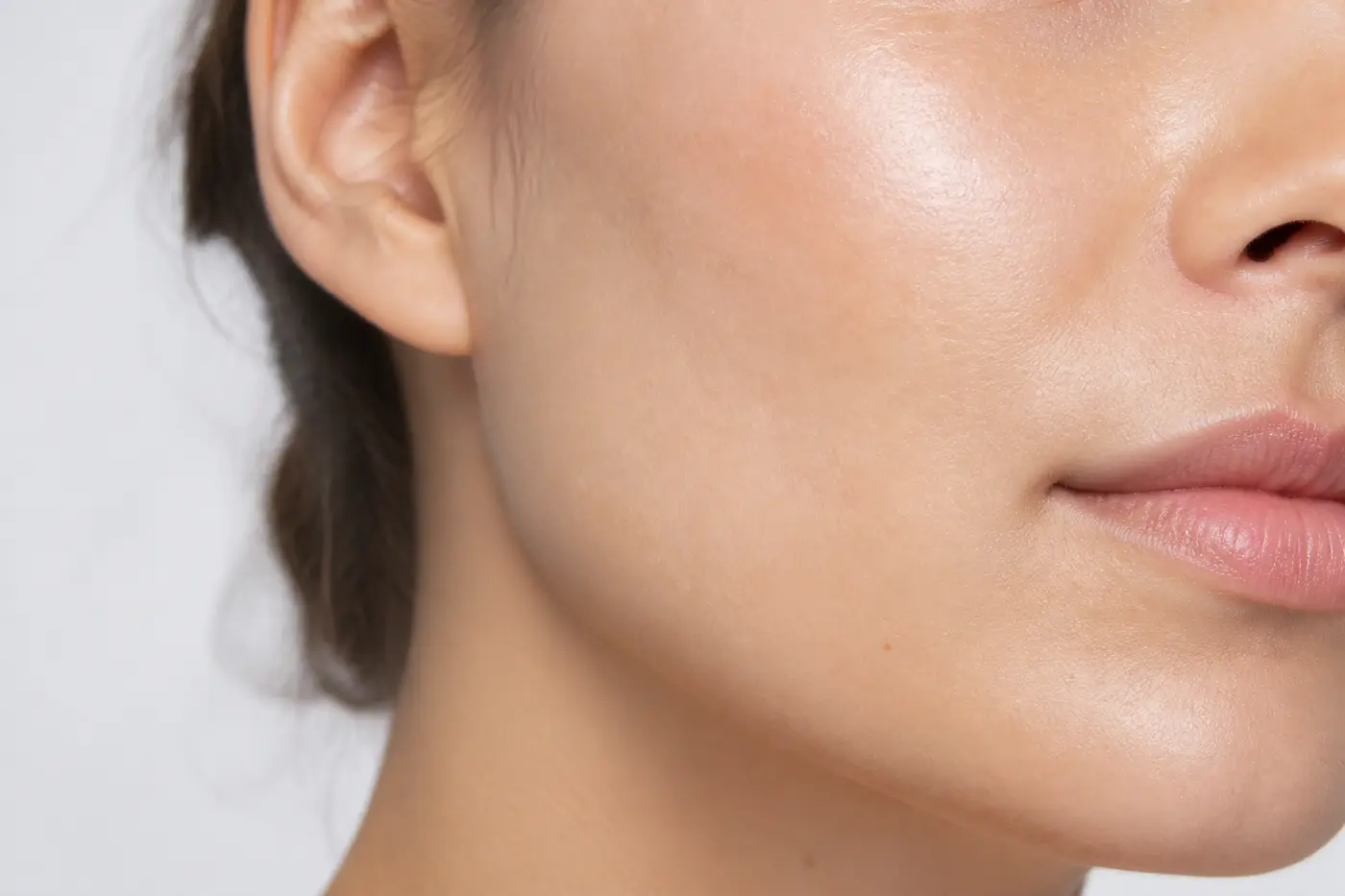
After acne finally quiets, many people in Hyderabad look in angled light and still see pits, tracks, and shadows. They are often told to “do a peel” or “take a laser package,” as if every mark were the same. It is not. A brown flat stain fades differently from a deep ice-pick pit. Treating the wrong feature is why some courses feel busy and the mirror barely changes.
This guide explains scar types and the logic dermatologists use. It is not a promise that any one method erases scars. Improvement is partial, and it depends on the mix of scars you have.
Marks versus true scars
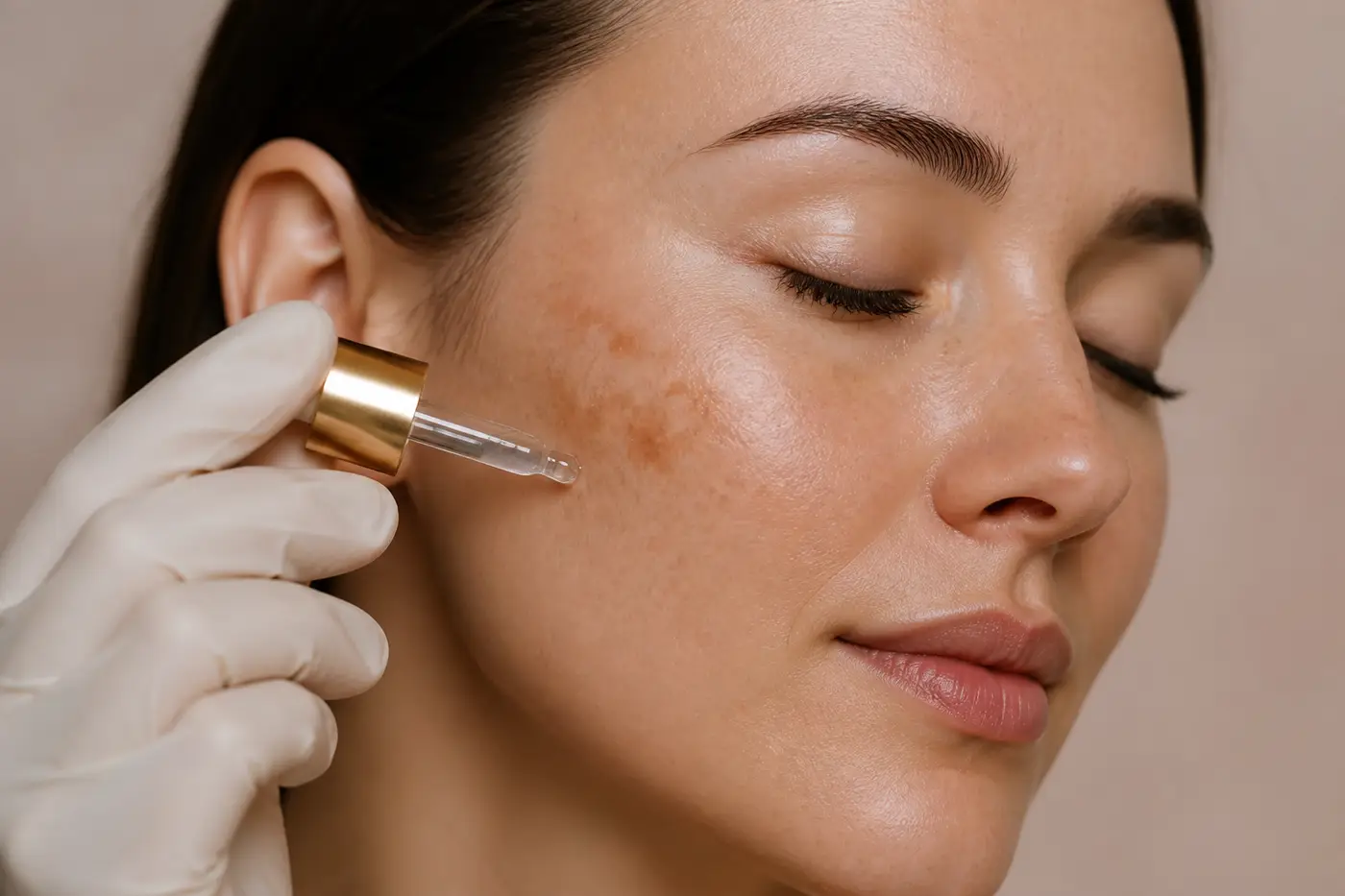
Post-inflammatory colour is flat. Red, purple, or brown patches sit where a pimple healed, without a dent you can feel. On Indian skin, brown marks are especially common and darken with sun. They are not scars in the structural sense. Time, sun protection, and medicines used for pigment help them. A procedure aimed only at collagen will disappoint if colour was the real complaint.
True scars change contour. You see a shadow because the surface dips or, less often, because a lump of collagen sits above the skin. Those need treatments that release, fill, or resurface tissue. Colour and contour often exist together, so a plan may treat both, in a sensible order.
Active acne should be controlled before aggressive scar work. Making new wounds while cysts continue means new scars keep forming behind the treatment.
Shapes that change the plan
Ice-pick scars are narrow, deep pits, as if a sharp instrument marked the skin. They are common on the cheeks. Surface peels alone rarely reach the base.
Boxcar scars are wider depressions with sharper edges, shallow or deep. Rolling scars are broad, shallow waves that cast a shadow when the light is from the side. They often have fibrous bands tethering the skin down. A stretch of the cheek with your fingers may make rolling scars look softer. That test is a clue, not a home treatment.
Hypertrophic scars and keloids are raised. They are more common on the chest, shoulders, and jaw in some people. The approach is closer to scar calming than to resurfacing a pit. Treating them like open pores will not flatten them.
People usually have a mixture. A single device setting cannot be ideal for every shape on the same cheek.
What dermatologists match to those shapes
Plans are built from a few families of treatment. The acne scar treatment service describes options that may be considered after mapping.
Subcision uses a needle to release tethering bands under rolling or some boxcar scars. It is often combined with other steps, not used as a cream replacement. Bruising is expected.
Chemical reconstruction methods, such as carefully applied strong acid into selected ice-pick scars, target individual pits. This is a medical procedure, not a home peel. The border between a precise application and a widespread burn is technique.
Microneedling and fractional lasers create controlled columns of injury so collagen can remodel. They suit selected rolling and shallow boxcar scars better than the deepest ice-pick pits. Several sessions are typical. Darker skin needs settings that respect pigment risk, especially in a sunny city. Fractional treatment is not a facial.
Fillers can lift some soft depressions for a period. They do not close an ice-pick hole permanently. Punch techniques are sometimes discussed for isolated deep pits.
Chemical peels and pigment creams help the brown and dull layer around scars. They are supporting actors for contour, not the whole cast. Sunscreen is what stops new acne marks from replacing the ones you just faded.
No serious clinic should promise glass skin or a percentage improvement before seeing you. Photographs under the same light, months apart, are the honest record. Collagen remodelling continues after the redness of a session has gone, so judging a laser on day two measures swelling.
What makes results worse
Picking and home extraction tools deepen pits. Steroid fairness creams thin skin and add redness. Stacking a peel, a laser, and microneedling with no recovery gap raises pigment risk in Hyderabad sun. So does a beach trip or daily noon commute with no protection right after resurfacing.
Isotretinoin timing, a history of keloids, and active infection change when procedures are safe. Mention them. So does a tendency to tan darkly after minor burns.
A sensible sequence
First, stop new acne as far as medicines allow. Second, name the scars in the mirror with your doctor: colour, ice-pick, boxcar, rolling, or raised. Third, choose one or two methods aimed at the dominant type, with sun rules you can actually follow. Fourth, maintain with topical care so the surface you remodelled is not irritated every weekend.
Dr. S. Madhuri, founder of AB Skin Clinic in KPHB and Manikonda, is a dermatologist with MBBS, MD DVL, DNB DVL, and a Fellowship in Dermatosurgery and Lasers listed by the clinic. Scar procedures sit inside that surgical and laser training, and they still require a personal exam.
You can book an appointment when marks bother you in daylight, not only in selfies. Ask which scar type is most responsible for the shadow you dislike. That answer decides the tool. A package chosen before the answer usually treats the average patient, not your face.
This article is general education from AB Skin Clinic. It is not a diagnosis or a treatment plan. Suitability is decided in a consultation.
 Related treatmentAcne Scar TreatmentView treatment